Back to Work

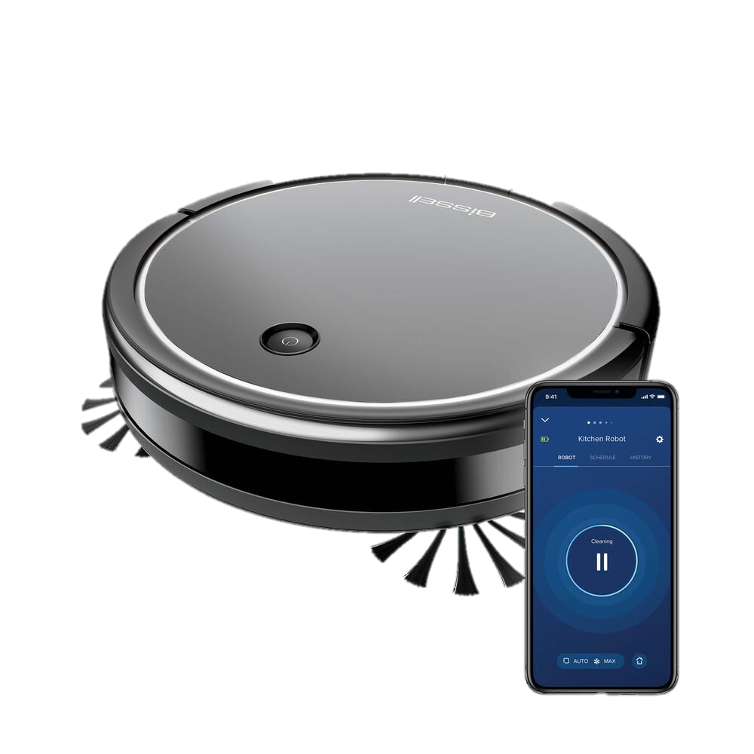
Bissell Clean Connect
Robot Vacuum

Evolving a hardware-first product into a scalable connected ecosystem spanning embedded interfaces, mobile applications, and a growing family of smart home products

Client
Bissell
Timeline
Multi-phase evolution across multiple product generations
My Role
Lead Designer / Experience Design Leadership
Team
Industrial design, embedded engineering, mobile development, manufacturing partners & research
Platforms
Embedded robot interface, connected mobile app, IoT ecosystem

The Challenge

Bissell was entering the connected robot vacuum category as consumer expectations for smart home products were rapidly evolving. The initial product generation relied heavily on fixed physical controls and a limited onboard display. As the portfolio matured, the opportunity shifted from designing an isolated device to creating a connected ecosystem supporting mobile interaction, remote control, automation, and a growing family of products.

What made this work especially complex was the intersection of physical product design, embedded systems, and emerging connected experiences within a fast-moving category. The initiative required balancing manufacturing realities, white-labeled hardware constraints, and evolving software capabilities — while aligning external manufacturing partners, internal stakeholders, and engineering teams around a shared experience vision that could scale beyond a single product generation.

Embedded Interface
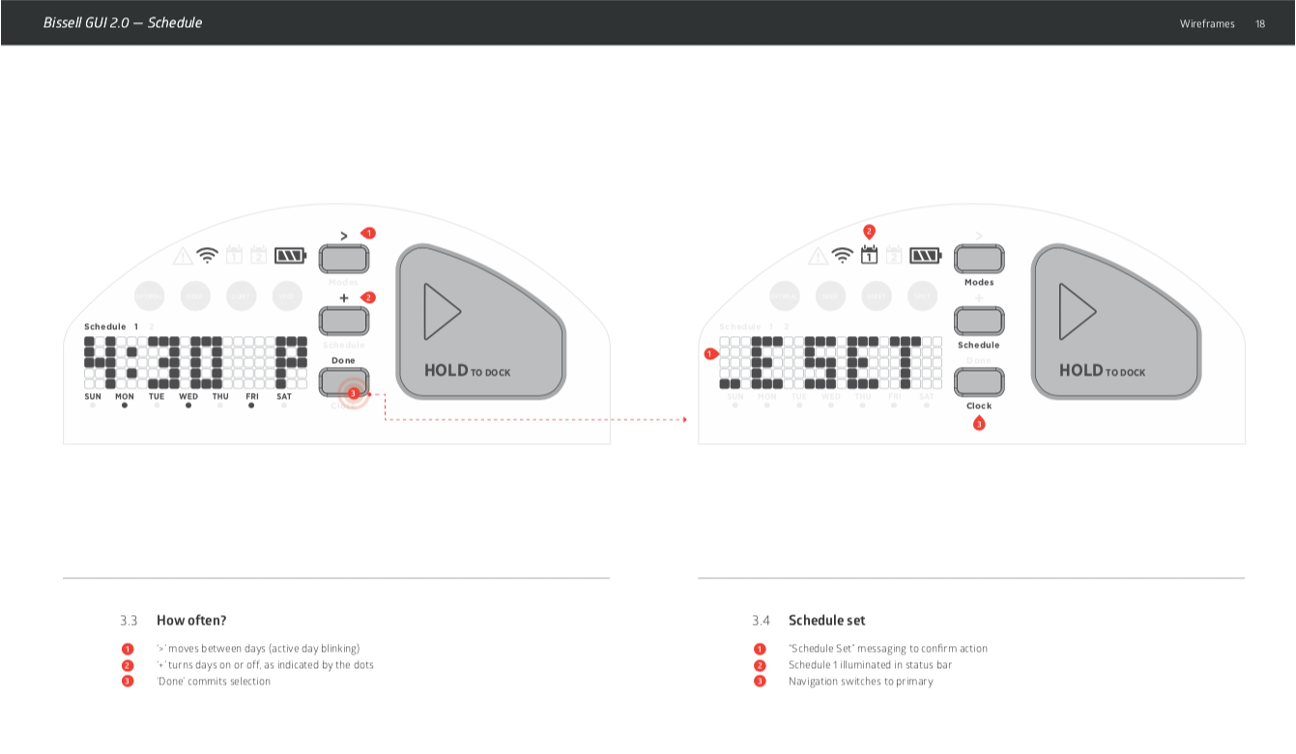
Onboard controls and display experience for the physical robot — designed for glanceability and intuitive in-moment interaction.
Connected Mobile App
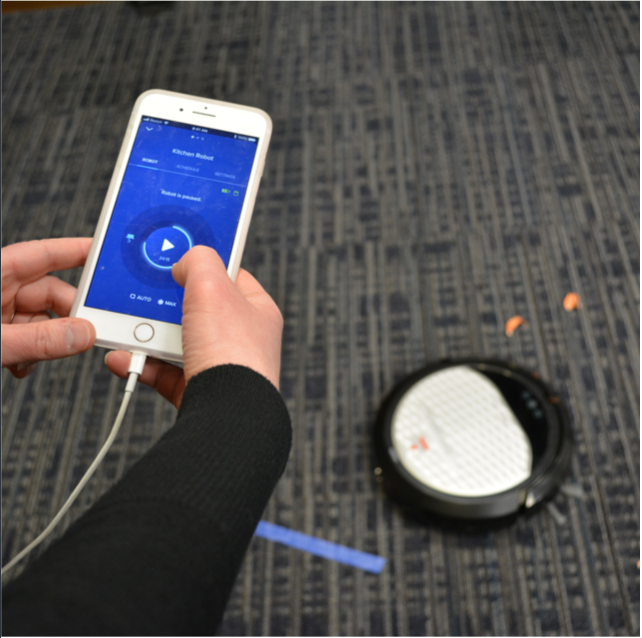
Scheduling, remote control, cleaning history, and smart home automation extending the product experience beyond the device.
IoT Ecosystem
Scalable interaction frameworks and platform architecture designed to support a growing family of connected Bissell products.

How We Approached It

We treated the robot vacuum as a connected product system, not an appliance with an app bolted on. Ethnographic research sessions in San Francisco — conducted alongside a recruiting and research partner — surfaced real-world cleaning behaviors, smart home expectations, and consumer frustrations that shaped the experience strategy. Stakeholder workshops and feedback sessions built shared understanding across teams on user needs, product priorities, and platform direction.
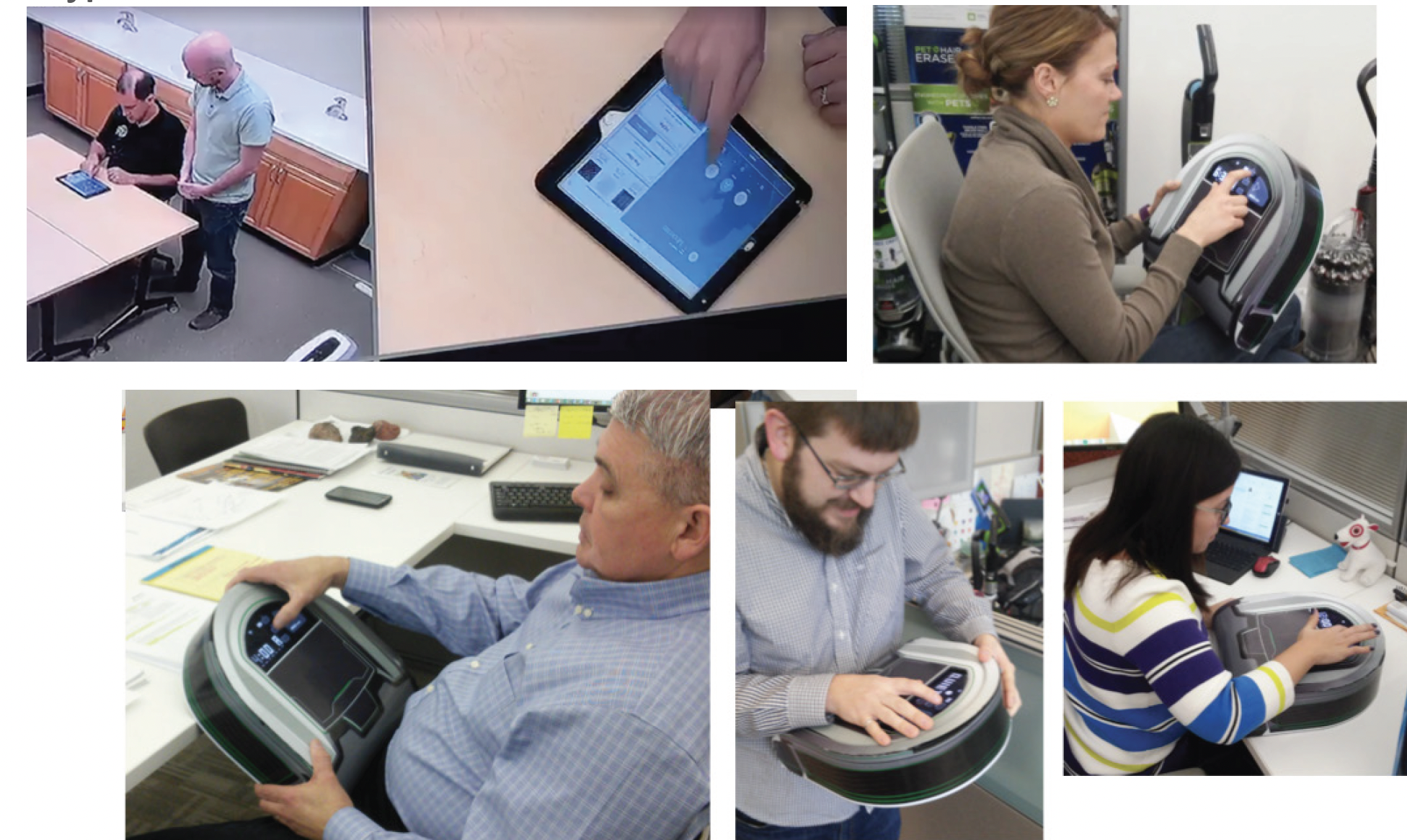
Ethnographic research synthesis
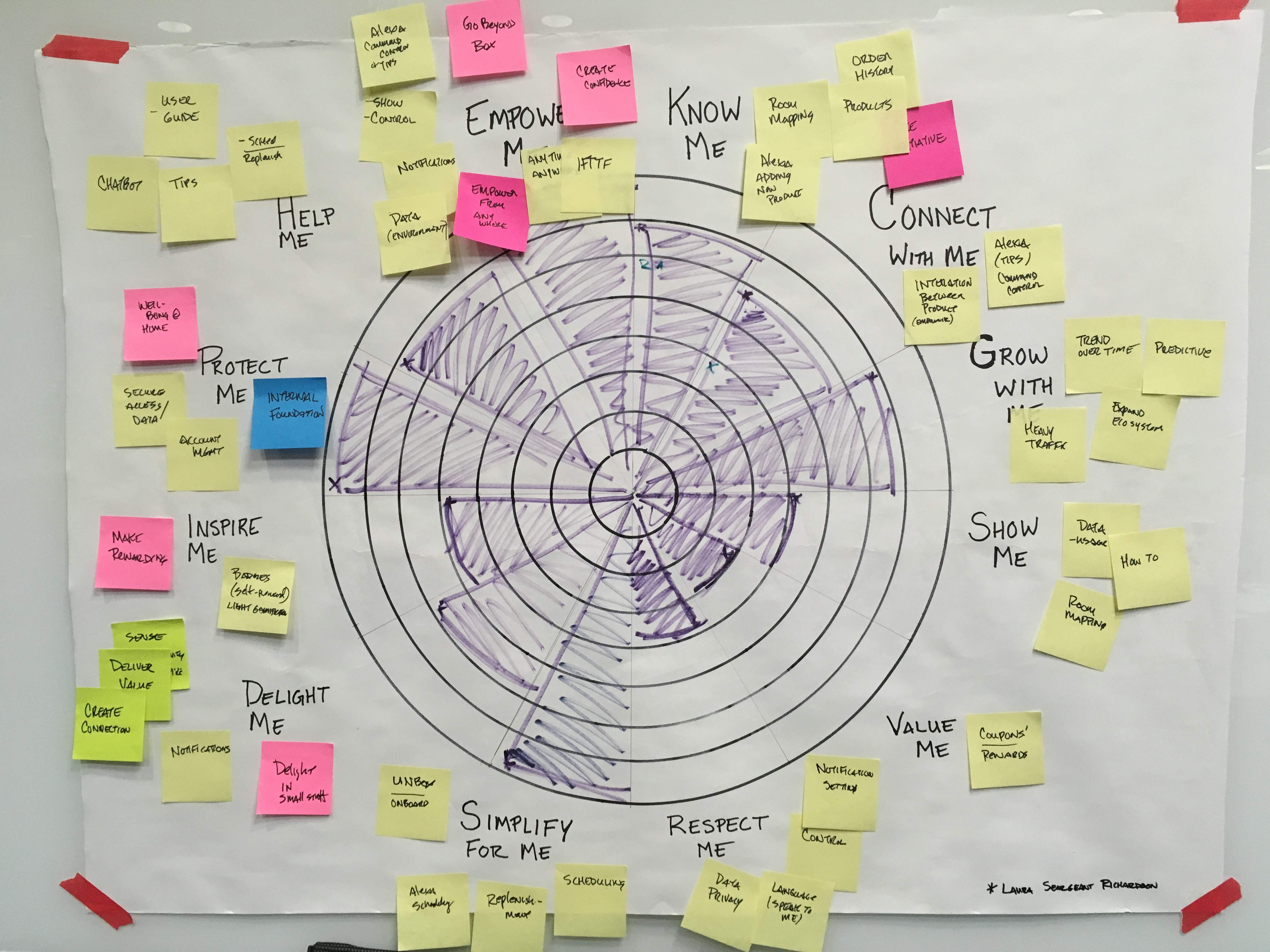
Workshop facilitation sessions
Embedded UI concepts
Pivotal Moment
"When the organization started treating the robot vacuum as the first product in a connected family — rather than a one-off appliance — everything changed. The experience strategy expanded, and so did how the teams needed to work together."

What We Delivered

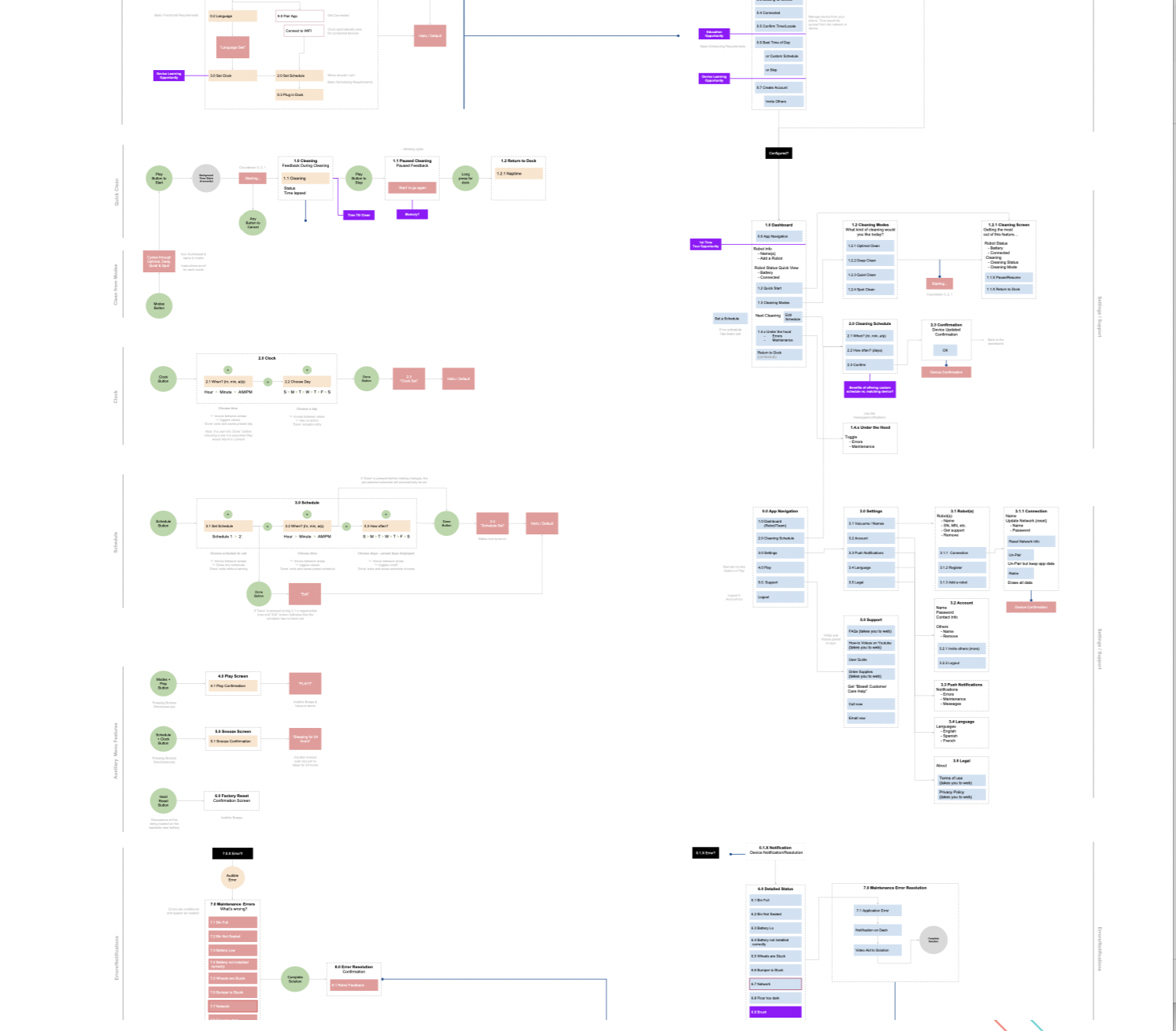
We designed the Clean Connect experience across the full product surface — embedded robot controls, mobile onboarding and scheduling, and the interaction logic tying them together. UX frameworks developed during early concept work were carried forward into later branded product generations, giving the work a longer shelf life than the initial launch.

3+
Product Generations Influenced

The engagement helped position Bissell's robot vacuum offerings for a more connected future by establishing scalable UX foundations that influenced later product generations. The work strengthened alignment between physical and digital product teams, introduced more mature user-centered design practices, and helped evolve the organization's approach to connected product development.

The experience framework was built to hold up as the product portfolio grew — concrete enough to ship from, flexible enough to extend without starting over each time a new model launched.