Facilitating structured conversations, mapping where AI genuinely fits, and leading real product work. So teams don't just understand what's changing, they know exactly how to move.
The conversation around AI has outpaced most teams' ability to act on it. Leaders know it matters. Their teams feel the pressure. But generic frameworks and vendor promises don't answer the real question: what do we actually change, in what order, and how do we trust ourselves to get it right?
Most teams have plenty of information about AI. What they lack is a clear read on their own workflows. Someone has to help them see where the friction actually lives and which interventions are worth pursuing. And then someone has to go first: modeling the work inside this shift, not just advising on it from outside.
Across client engagements and internal product work, the approach moves through the same three beats, each one building on the last and producing something a team can act on.
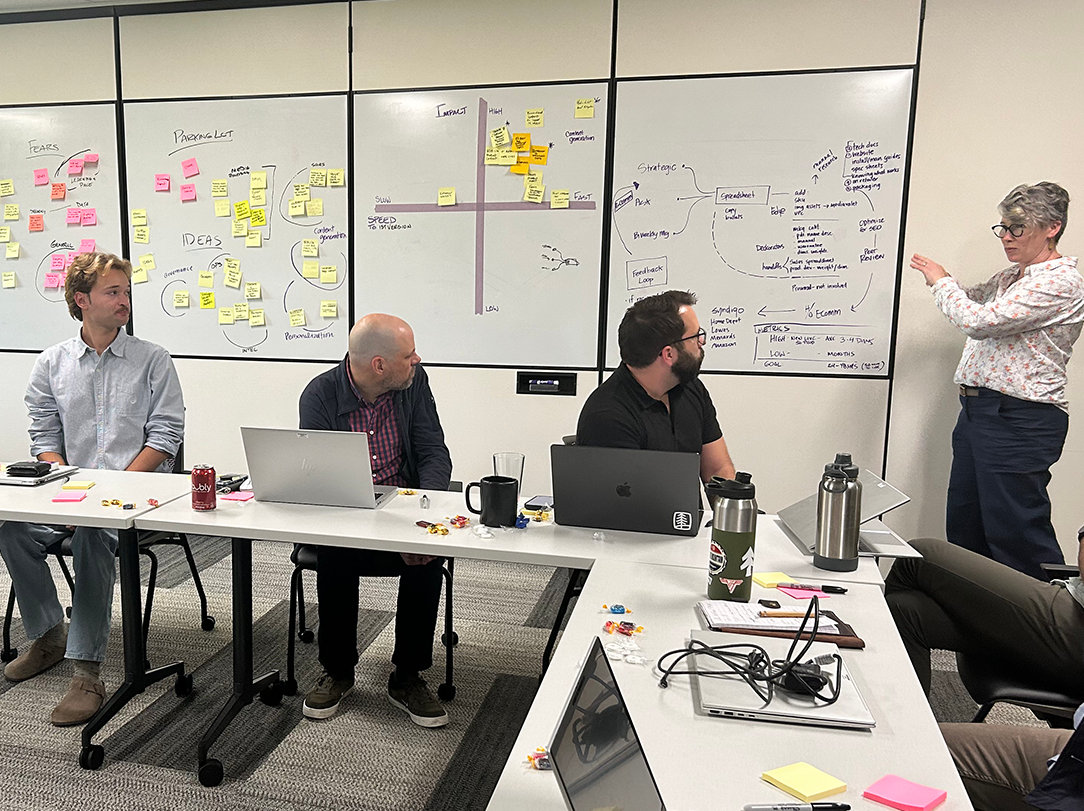
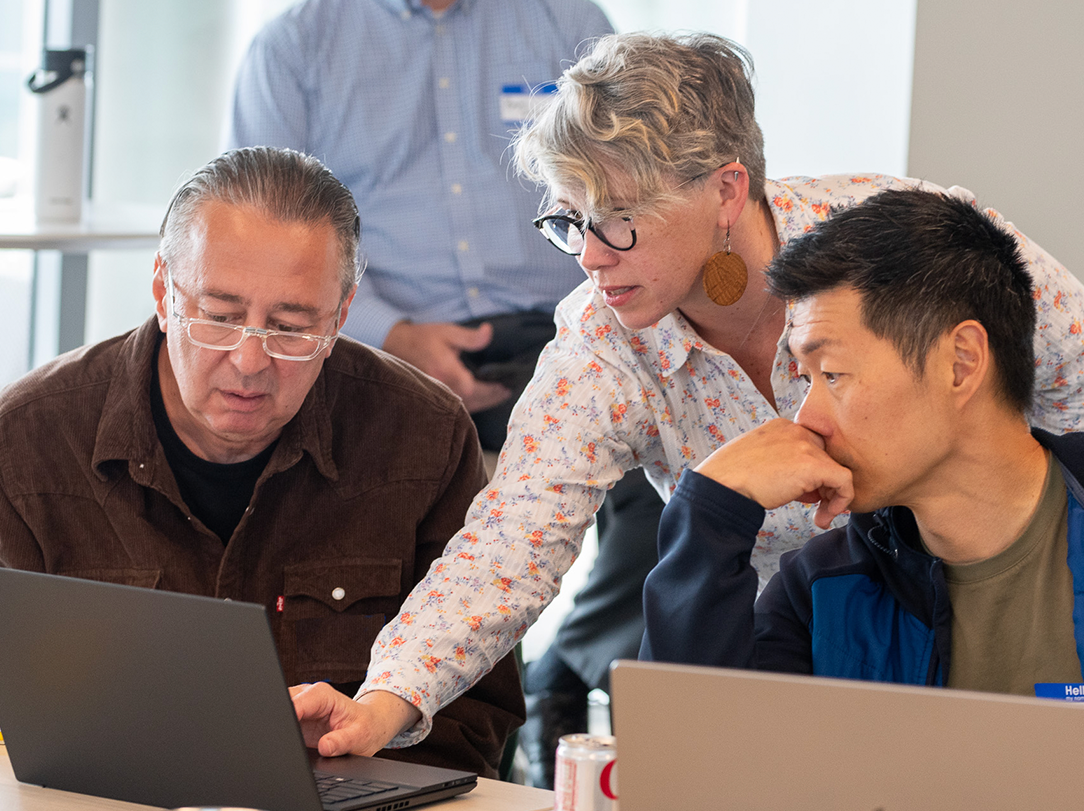
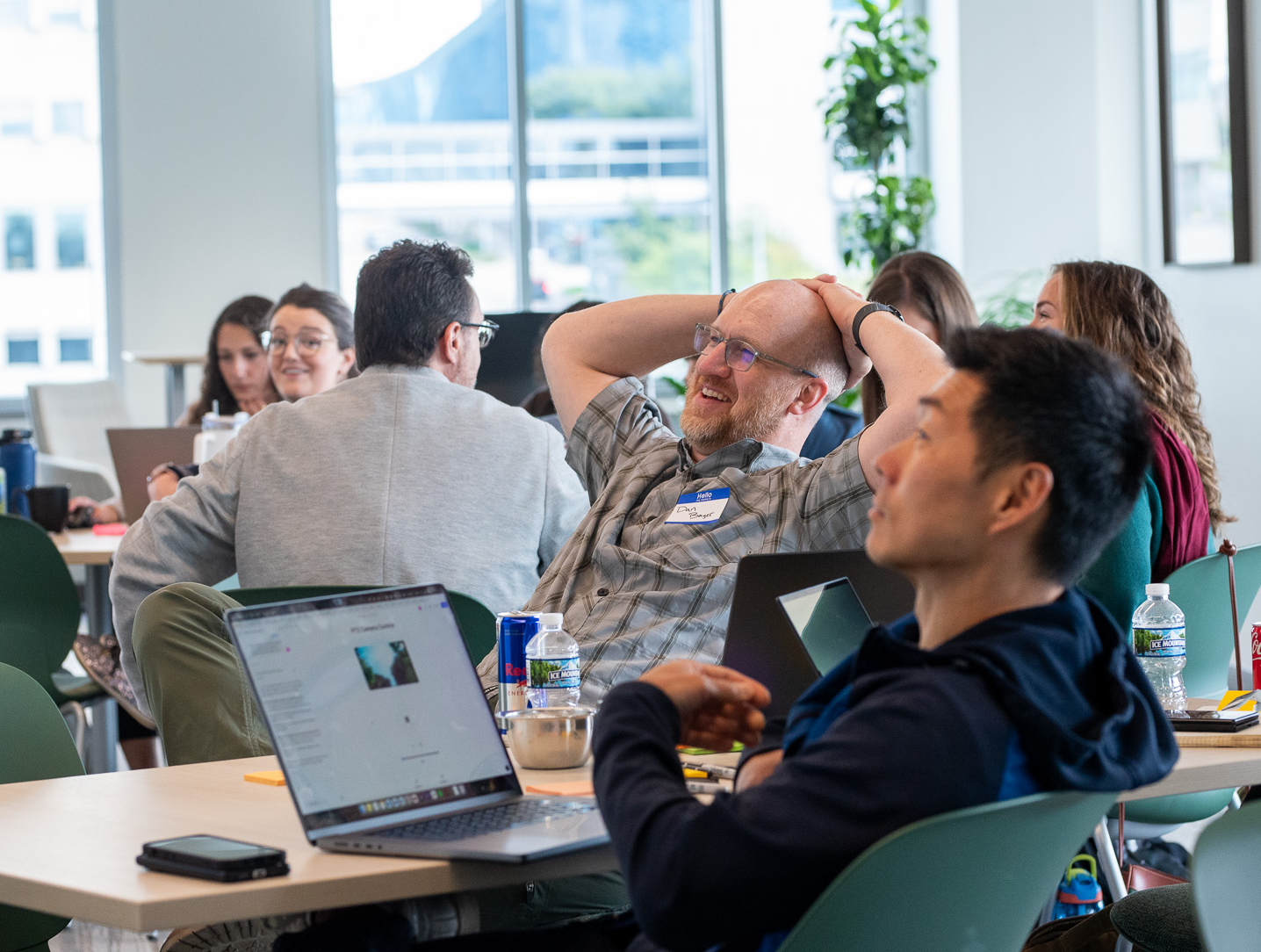
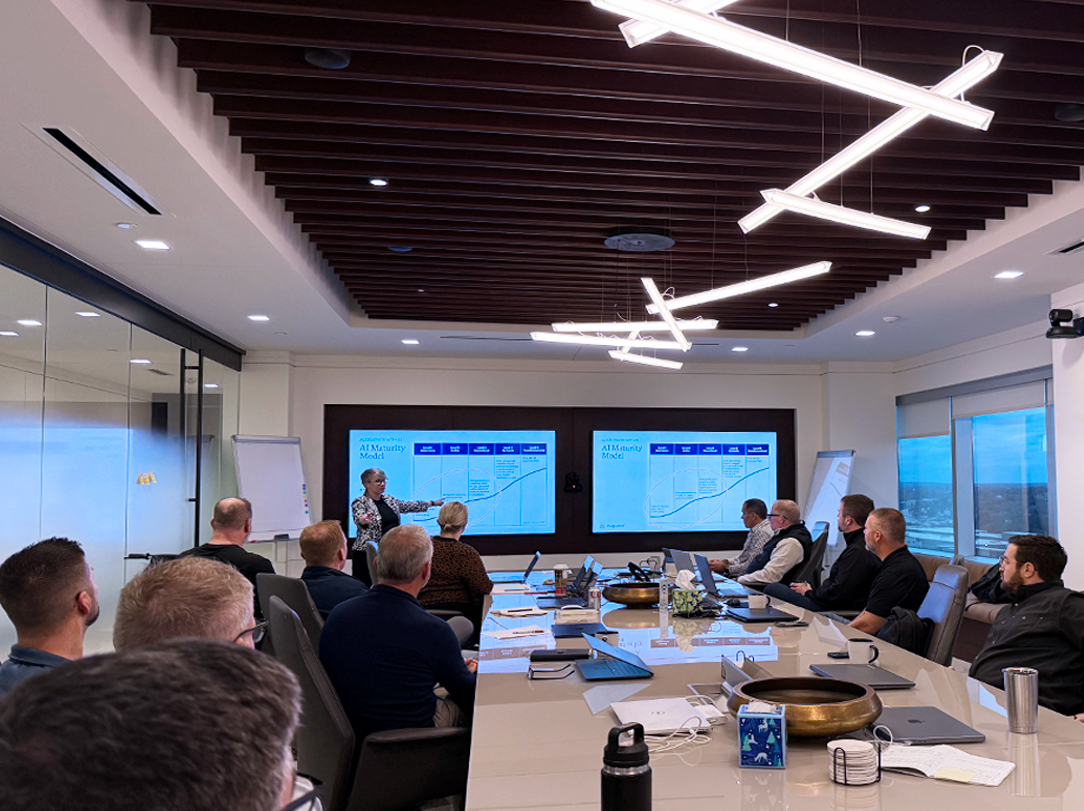
Before any team can work differently, they have to see their current work clearly. I design and run structured workshops built around a pre-call to align on goals, then a live working session to map actual workflows, surface friction, and identify where AI could make a real difference.
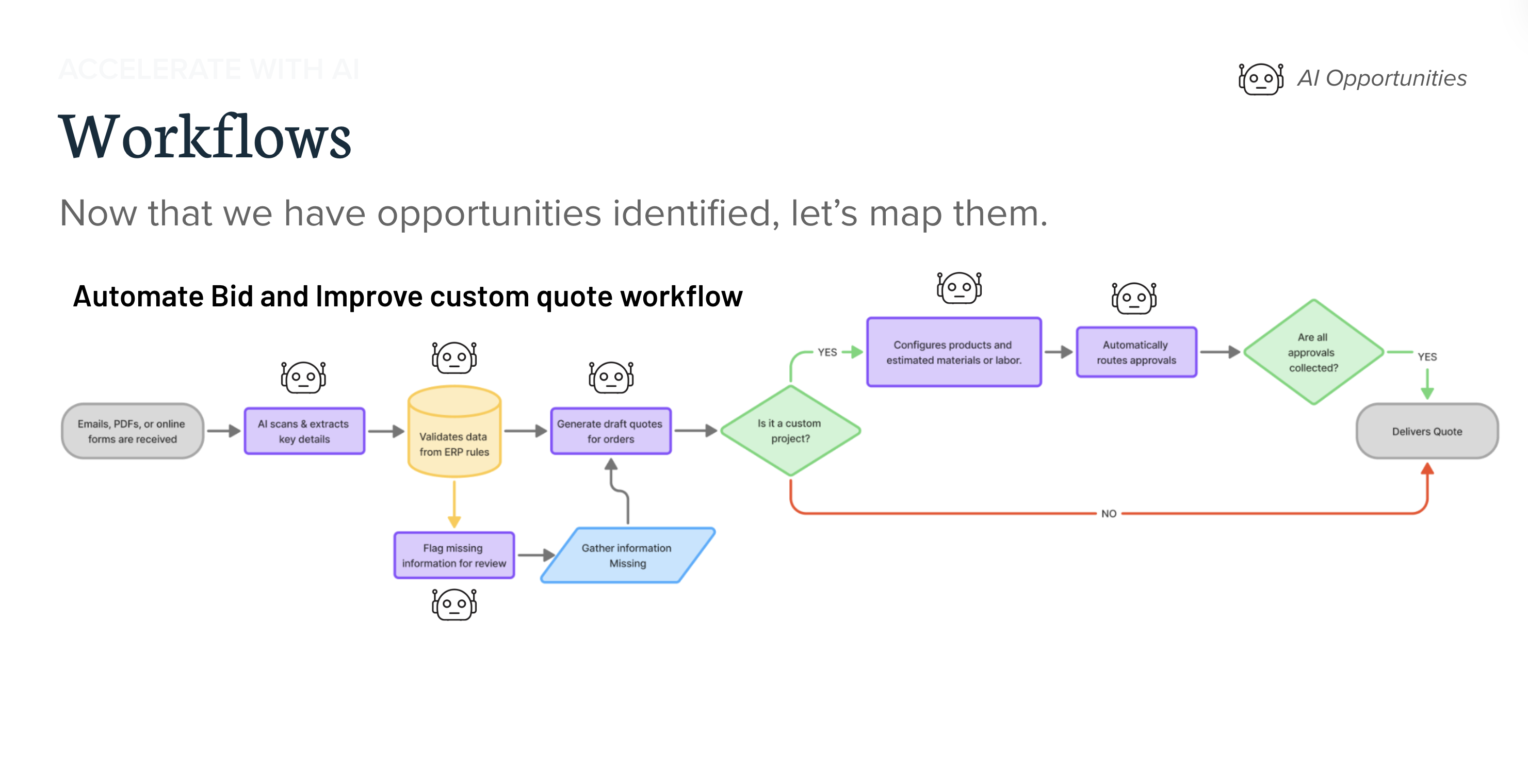
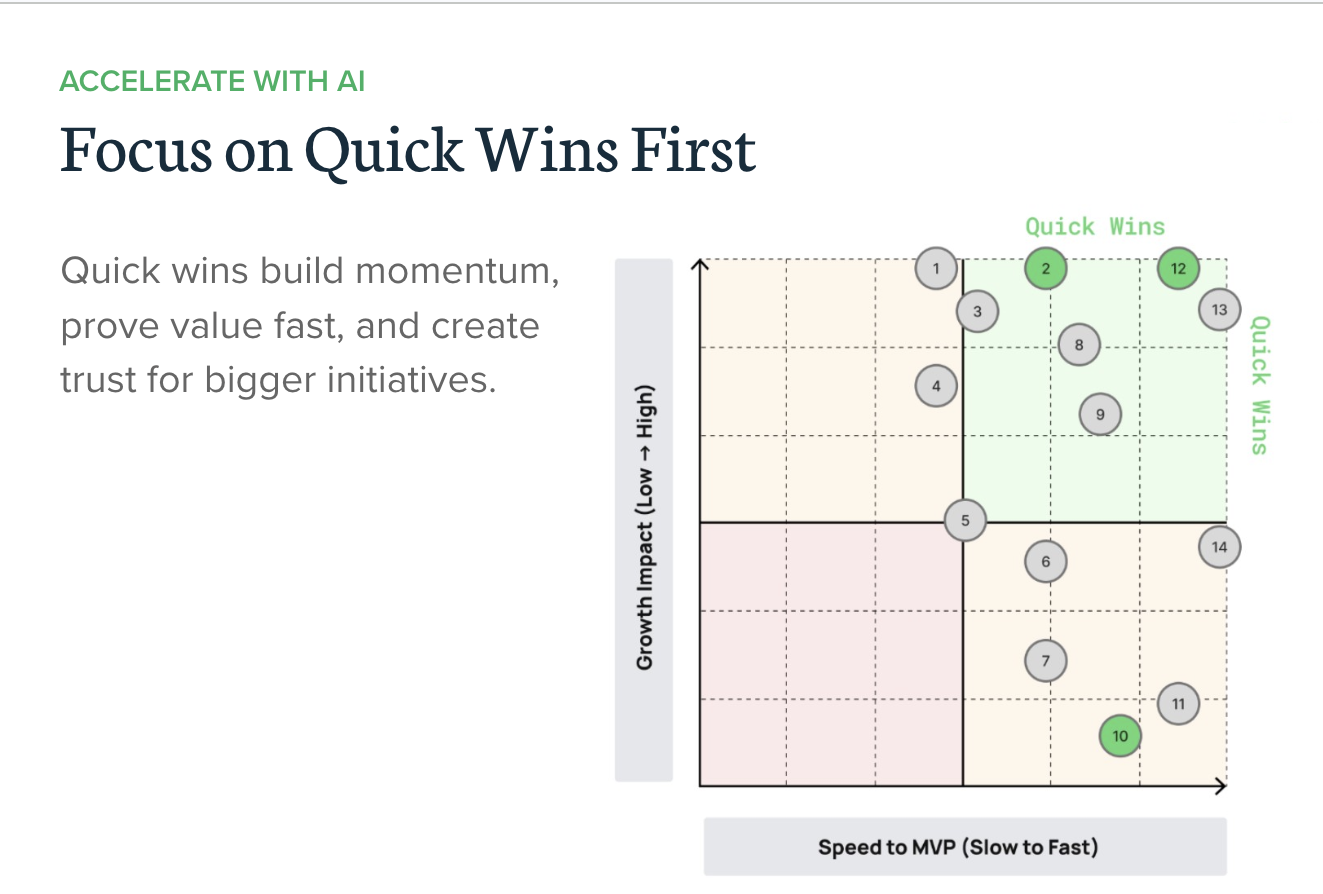
It's disciplined translation: taking what a team already knows about their work and making the intervention opportunities visible. Every session ends with artifacts: a sketch of the flows we ranked highest and a prioritized map of quick wins and longer plays, ranked by ROI and feasibility.
Teams recieve within days with a clear map documented report: which workflows to change first, which tools are worth adopting, and how to sequence the shift so the change is manageable.
Because the format is productized and repeatable, every engagement delivers the same quality of clarity regardless of industry or team size. The map is built from the team's real work and owned by them, designed to be extended without needing me in every future decision.
Advice without demonstration doesn't build trust or capability. Leading real product work, where AI is part of how the work gets done and not just a topic being discussed, shows teams what the shift actually looks like in practice.
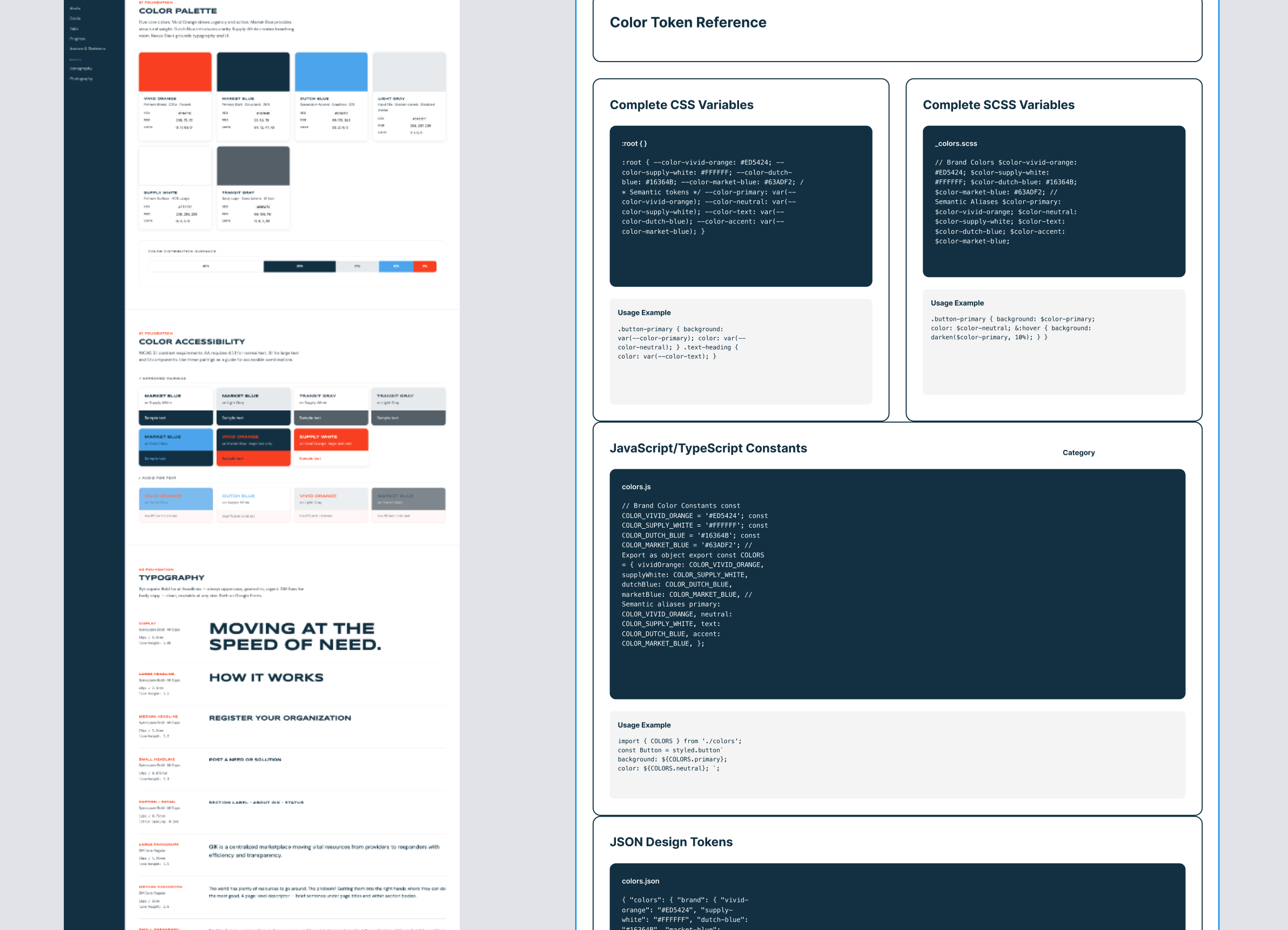
With AI product development democratized through teams in some accounts, I find offering the brand system built directly into the environment as a skill makes the matching workflows even morecredible and clear. Design standards were codified for multiple clients so the team could extend the product independently, long after the engagement ended.
"I was expecting a back-and-forth meeting. Instead, we walked away with a clear visual understanding of our process, bottlenecks, and priorities."— Real Client Quote
Clients leave with something they can act on immediately and a clearer view of their own work. The facilitation produces a specific, prioritized map of where to start. The visualizations show what this shift actually looks like. Both together build real capability, not a one-time deliverable that gets filed away.
Teams leave knowing what to change and why, with a specific plan for where to start rather than a vague mandate to figure it out. The work builds real capability, not just a one-time deliverable. By facilitating the conversation, mapping a clear path, and building alongside teams, they learn to trust their own judgment about how to use AI as part of their work, not just what it can do in theory.
I have had more than one team realize year over year the savings by building their own custom solution vs. buying an off the shelf tool, and the facilitation and mapping work was key to helping them see that clearly and make the case for building internally.