Design only works when the systems around it work. Over 20 years leading practices at OST, Augusto, and Argenta Park, I've built the scaffolding that lets creative teams do their best work: workflows, rituals, team structures, and quality benchmarks that scale.
Most of my portfolio shows what got built. This page is about how I work: the operational decisions, the team dynamics, the infrastructure that made shipping possible in the first place.
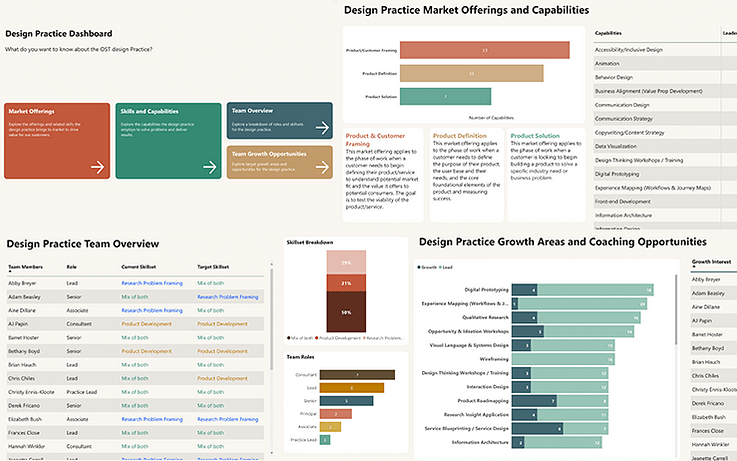
Running a design practice isn't the same as running a project. A practice has utilization, career ladders, hiring pipelines, quality benchmarks, and a culture of craft that has to survive client turnover and org change. At OST I scaled that for a 25-person team. At Augusto I rebuilt it to hold 40–50% margins while keeping the work genuinely good. These are the things that don't always make it into a case study, but they're the things I think about most.
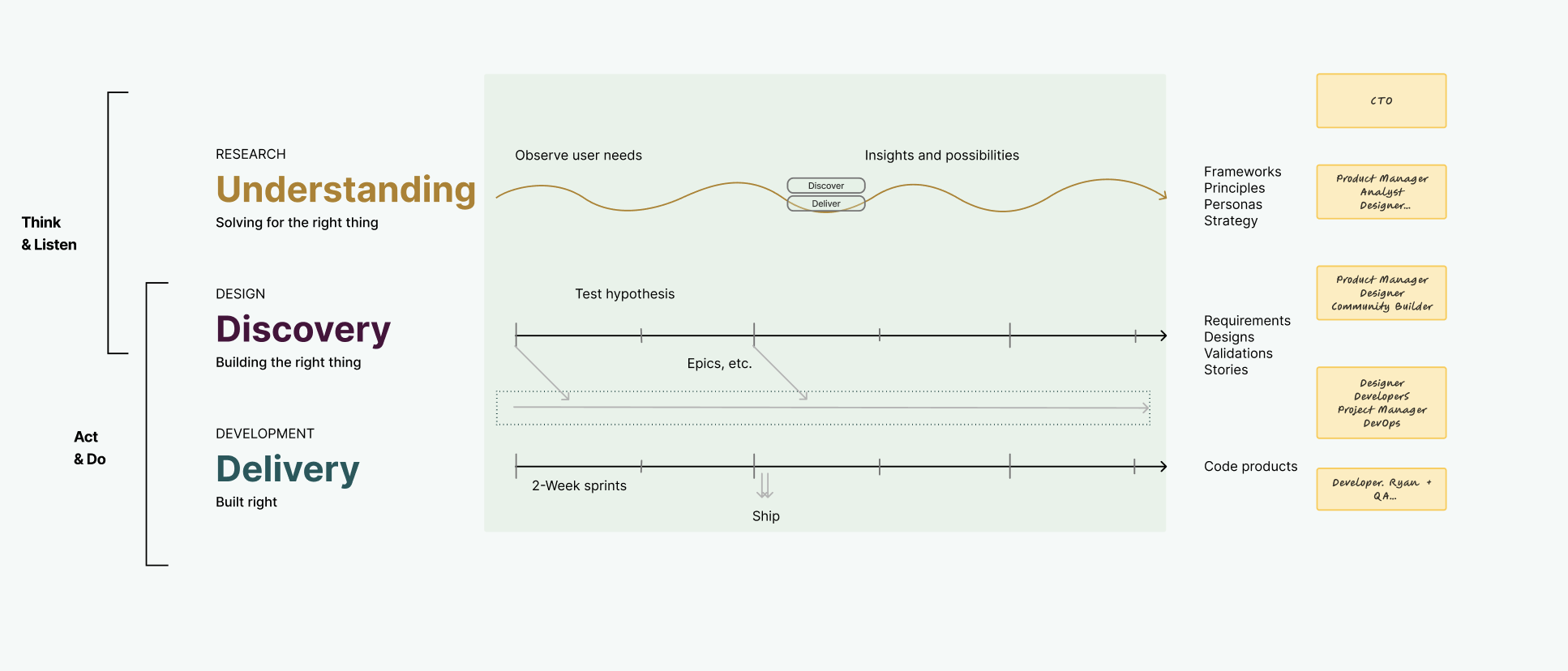
Across different organizations and different sizes, the same three areas determine whether a design practice actually works, or just looks like it does.
At OST I managed capacity across 25+ designers and three geographies simultaneously. That meant knowing, at any given moment, which designers had bandwidth, which accounts were about to ramp up, and how to move people without creating gaps. I ran weekly utilization reviews and project standups not because process is inherently good but because the alternative was surprises. Surprises at a consulting firm are usually someone's margin problem.
When a project scope shifted or two client deadlines collided, I had to make the call: who moves, what adjusts, what do we tell the client. At Augusto, holding 40–50% margins meant getting that call right consistently, protecting the team from overload while still delivering for clients. The tools varied (Jira for project tracking, Harvest for time, custom spreadsheets for staffing models) but the underlying discipline was the same: know your numbers before the numbers find you.
The designers I've hired who grew the most weren't necessarily the most polished coming in. They were the ones who were genuinely curious and a little frustrated with the gap between what they could see and what they could make. My job in those relationships was to close that gap faster than they would have alone. That meant being honest about where their work wasn't landing and specific about why.
I ran 1:1s with structure: not just project check-ins, but real conversations about where someone wanted to go and what was actually in the way. When a designer was underperforming, I tried to diagnose before I evaluated. Was it capability, context, clarity of expectations, or something I hadn't set up right? Most of the time the answer was mixed. Getting to a shared read on the problem was always harder than fixing it. Onboarding got faster over time because I got more deliberate about what the first 90 days needed to accomplish.
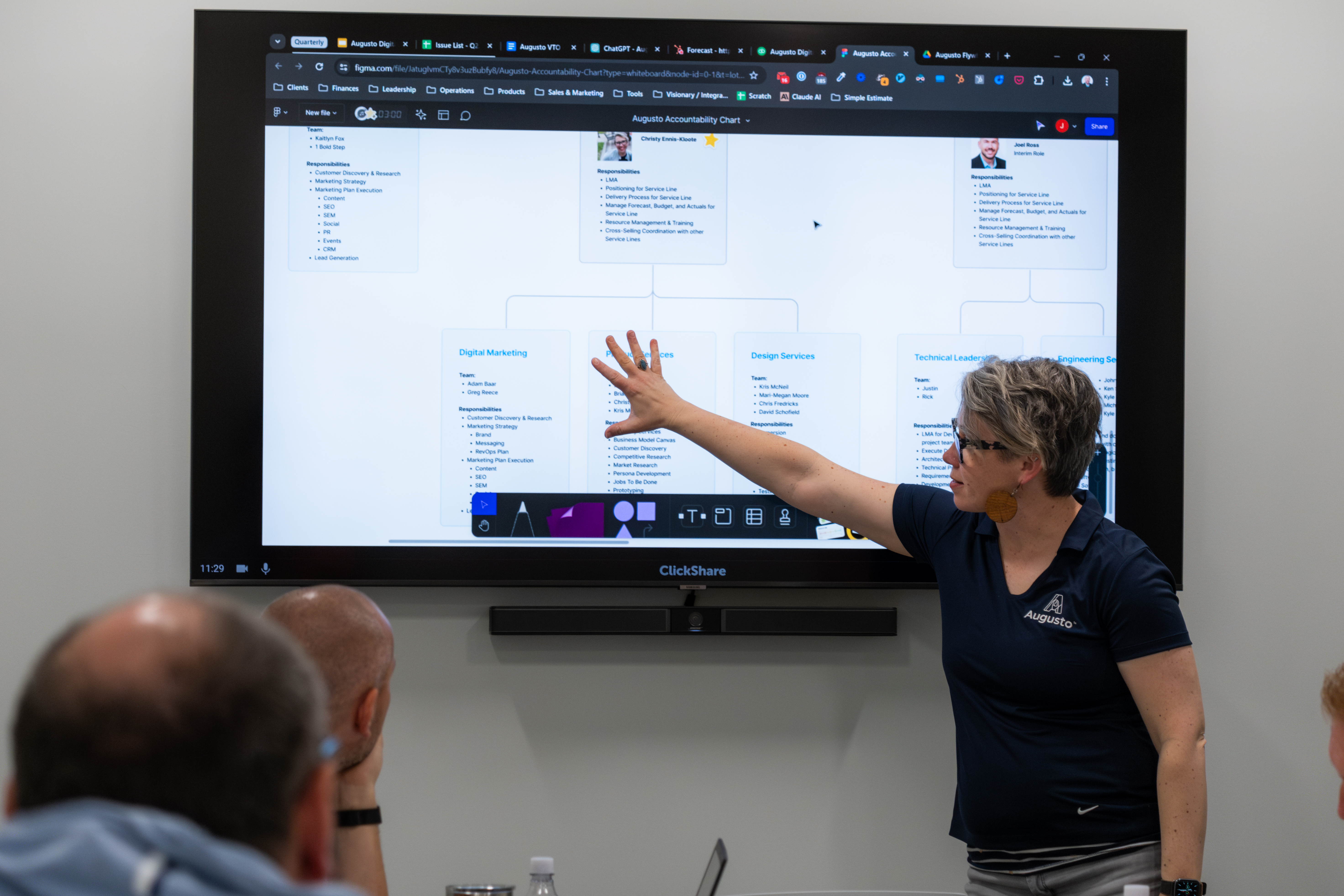
The hardest alignment work isn't the room where everyone agrees. It's the room where product owns the roadmap, engineering owns the timeline, and design is expected to fit into whatever space is left. I've been in that room a lot. At Corewell Health, consolidating a fragmented digital ecosystem across multiple health system brands meant earning trust from teams that had their own histories, their own standards, and their own skepticism about whether design was going to complicate their release cadence.
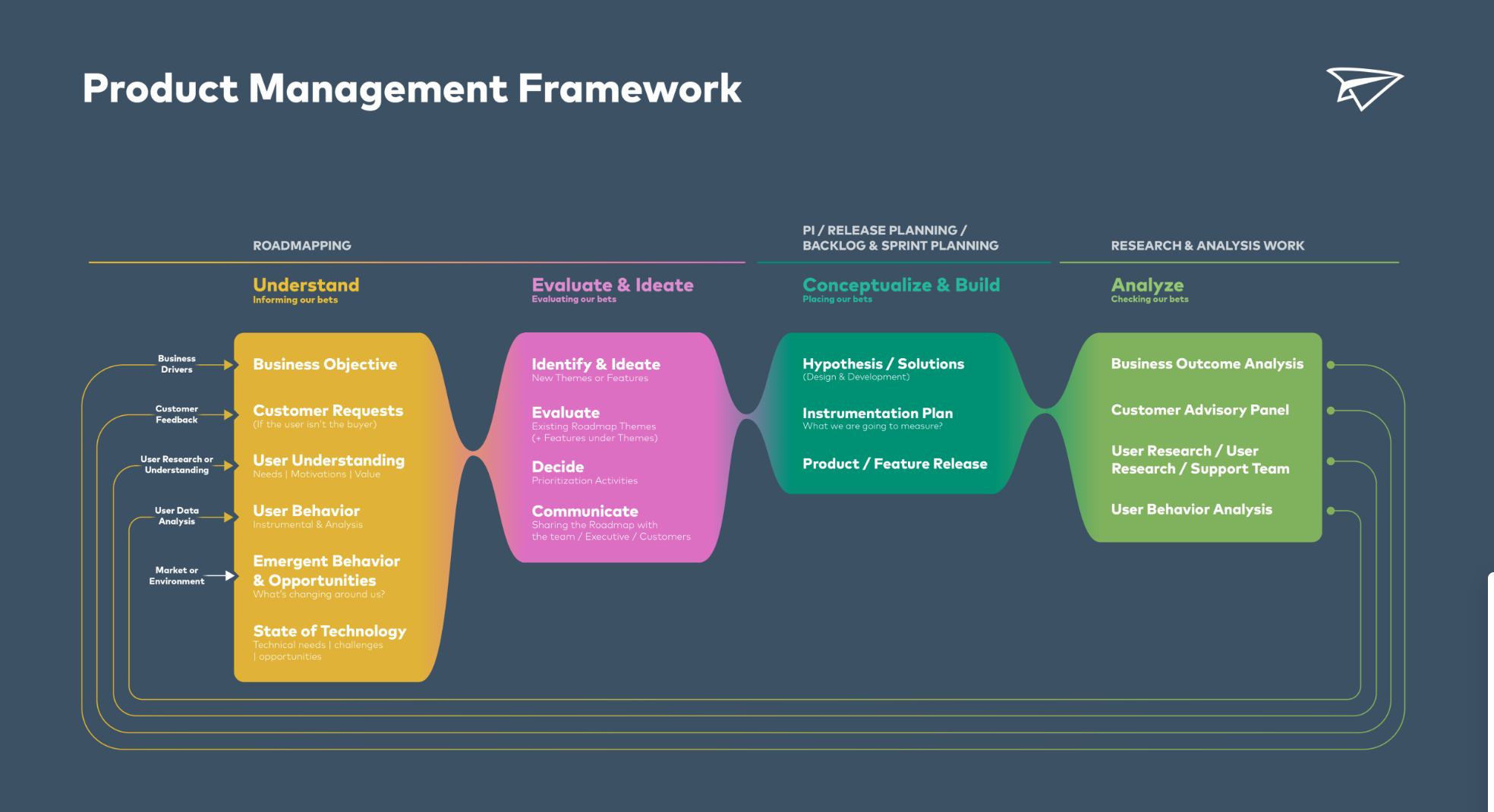
At Amway, connected product work touched hardware, software, mobile, and retail simultaneously. Getting those teams to share a definition of "done" required more than a kickoff. It required consistent presence, translating priorities across disciplines, and building shared ownership over outcomes rather than just cooperation on handoffs. What I've learned is that stakeholders don't resist design. They resist uncertainty. Give them a clear picture of what's happening and why, and the friction usually drops.

"Christy can be really helpful as sort of an ambassador of, here's the point of contact of what are things the way that they are and what are we working on. She is really good at explaining things to people and connecting."Greg Workman, Director of Strategic Operations and Finance, Corewell Foundation
The most durable thing a practice leader can do is build something that doesn't require them to maintain it. Design systems, critique structures, quality benchmarks, accessibility standards: these are the things a team can stand on long after I've moved on.
At Augusto I brought AI into the design process before it was an expectation, experimenting with where it genuinely sped things up (early concept generation, content scaffolding, accessibility annotation) and where it created more work than it saved. That distinction matters. Teams that adopt AI wholesale and teams that avoid it both tend to miss the real opportunity, which is being specific about which steps in the workflow are worth changing and why.
Accessibility has been part of my practice standards for years, not as a compliance exercise but as a design quality signal. If a design doesn't work for a broader range of users, it usually means there are assumptions in it that haven't been stress-tested. Making that part of how a team evaluates work, not a checklist at the end, is one of the more lasting changes I've seen take hold.
"She didn't just help me get through that moment; she made sure I walked away with self-awareness to take with me. That kind of intentional investment in someone's growth is something special in a leader."AJ Papin, Senior UX Designer
Three practices built across organizations of different sizes, stages, and client types, each one leaving something behind that outlasted the engagement. The designers I've developed have moved into senior and principal roles. The systems I've put in place have been extended by teams years after I stopped touching them. The cross-functional relationships I've built have led to repeat work and longer engagements because trust compounds.
What I've learned across all of it is that operational discipline and creative quality aren't in tension. They're the same thing approached from different angles. A team that doesn't know its capacity can't make good bets about what to take on. A team that doesn't have shared quality standards will ship inconsistently no matter how talented the individuals are. Getting both right is the job.